

A path to a sustainable, healthy forest
Built on science and community
This project brings together many people and organizations with a shared goal of protecting Bloomington's natural spaces.
The City selected SEH through a competitive request for proposals, choosing the team based on its qualifications and experience with projects like this. That process helped ensure Bloomington found the right expertise while making responsible use of public funds.
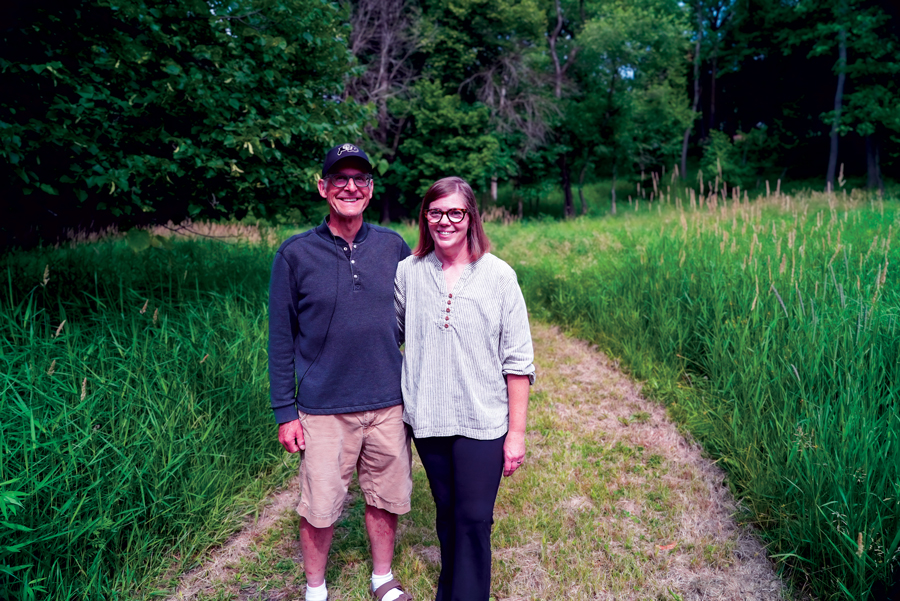
The restoration effort is also supported by the Nine Mile Creek Watershed District and local volunteers, including Heidi and Dan Niziolek, pictured above, whose nonprofit Bloomington Neighbors Nurturing Nature has helped restore natural areas throughout Bloomington.
"Our work is focused on making our green spaces natural again and healthy for all of us," Dan said.
“If you’ve ever had a surgery or a renovation on your house, you know on that first day you question all your life choices, but it does get better. It gets better quickly,” Heidi said. “A couple years down the line, when you look back, you realize it was a good thing to do.”