
2026 Legislative Platform

Our Mission
Our mission is to cultivate an enduring and remarkable community where people want to be.
Support the Equal Access to Broadband Act: Authorize cities to negotiate franchise agreements with broadband companies for the use of public rights-of-way (ROW). Local franchising is not just a governance preference—it is a fundamental tool that ensures private utilities pay fair compensation for occupying public space that taxpayers have built and maintain. Without clear municipal authority to charge for ROW use, residents effectively subsidize private broadband companies’ infrastructure, even as those companies profit from service delivered through publicly owned corridors. Franchising allows cities to address system build-out, expand equitable broadband access, and establish consumer protections tailored to local needs. It also ensures a fair and predictable franchise fee for the significant value represented by public ROW access.
These community benefits far exceed what can be achieved through simple permitting of broadband operators. While cities like Woodbury have successfully demonstrated that broadband franchising is both feasible and beneficial, relying on one-off negotiations city by city creates inconsistency and inequity across the state. A uniform, statewide framework that clearly affirms municipal broadband franchising authority is the best way to ensure fairness for taxpayers, predictability for providers, and equal access for communities of all sizes.
Support current statutes developed as a result of the Broadband Equity, Access, and Deployment (BEAD) Program. This federally funded initiative aims to expand high-speed internet access across the United States, particularly targeting underserved and unserved communities in each state.

Support local governments in maintaining the authority to manage, retain, and delete their data as necessary to meet operational, legal, and privacy requirements. Under the Minnesota Government Data Practices Act (Chapter 13), local governments must comply with specific requirements for making data publicly available. However, the complexity and volume of data requests have grown significantly in recent years. Supporting local agencies in maintaining authority over data retention practices—so they preserve only essential and relevant records—will help streamline compliance efforts and reduce the overall burden on staff and resources.
Support clarifications to state and pass through federal grantmaking and recordkeeping (ex: audit and sub-grantee agreement templates). State and local governments play a critical role in administering federal funds, often acting as “pass-through” entities that distribute resources to local agencies or community organizations. Variations in grant agreements, audit requirements, and recordkeeping practices can create confusion, administrative inefficiencies, and compliance risks. Local governments are seeking clarity and consistency in how to manage federal grant funds.
Support allowing intergovernmental data-sharing for law enforcement. Clear policies and well-defined systems will enhance public safety agencies’ ability to respond to and solve active and inactive cases.
Support efforts for legislative clarification and statutory amendments to the ‘Clean Slate Act’ of 2023 to ensure consistent responses to requests for government data.
Support aligning property tax levies with the unit of government where services are provided. Local governments in Minnesota occasionally provide residents and businesses similar types of services. Where similar services are provided by different levels of local government, property tax levies for those services should only apply to those areas receiving the service.
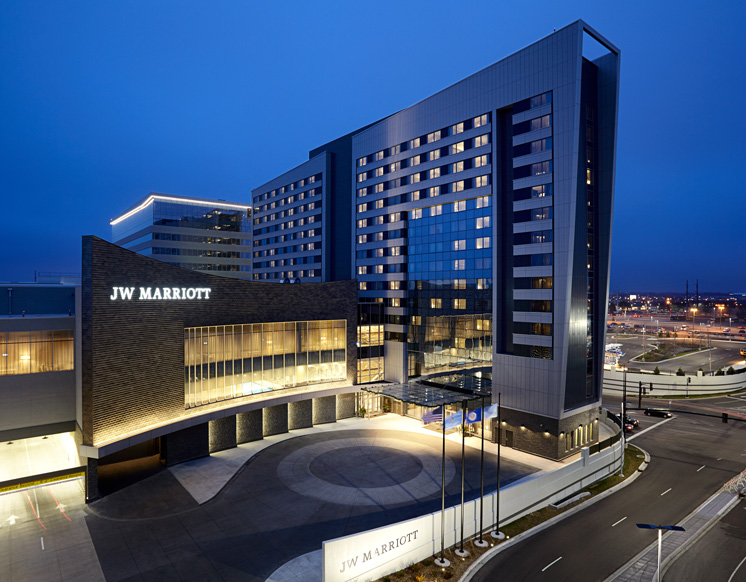
Support startup funding for unique tourism projects. Home to 49 hotels and over 9,500 hotel rooms, Bloomington is a tourism hub for the region and State. To maintain and grow tourism in this area, creative partnership and funding strategies will be needed.
Support reinstatement of cannabis tax revenue to cities. In 2025 the legislature eliminated the Local Government Cannabis Aid account, the only cannabis specific funding provided to cities and counties. This aid was a critical part of the state and local relationship for administration and implementation, however, it was repealed before it was ever dispersed to cities and counties. Restore the Local Government Cannabis Aid fund to ensure adequate funding for local governments to implement the law and respond to challenges resulting from the cannabis industry. Cities and counties should be able to recover costs from assisting businesses and implementing the law through fees or other revenue sources.
Support reform of the construction sales tax exemption. Removing the state sales tax on materials used for all types of city capital improvement projects would save money for property taxpayers. The city could reduce the amount of debt issued or reserves used for these projects, which would reduce the tax levy needs. This change would make it more affordable to build and maintain essential public facilities like parks, fire stations, and streets. It ensures local tax dollars go directly toward local community improvements.
Support investment in expanding microelectronics and other high-tech manufacturing. Bloomington’s growing cluster of these types of companies provides high paying jobs, drives local economic growth, diversifies Bloomington’s economy, and aligns with the State’s strategic efforts to strengthen these industries.
Support Tax Increment Financing (TIF) policies that improve the ability to support affordable housing, business expansion, and redevelopment projects. Bloomington seeks flexibility in this important economic development tool to allow for creative and strategic investments that overcome current barriers to desired development. For example, allow excess TIF dollars to be transferred into a city’s Affordable Housing Trust Fund.
Support childcare feasibility study or regional efforts in this space. Employers and job seekers consistently report that access to childcare is a barrier to successful employment. There is an opportunity to better understand the problem and create shared solutions.
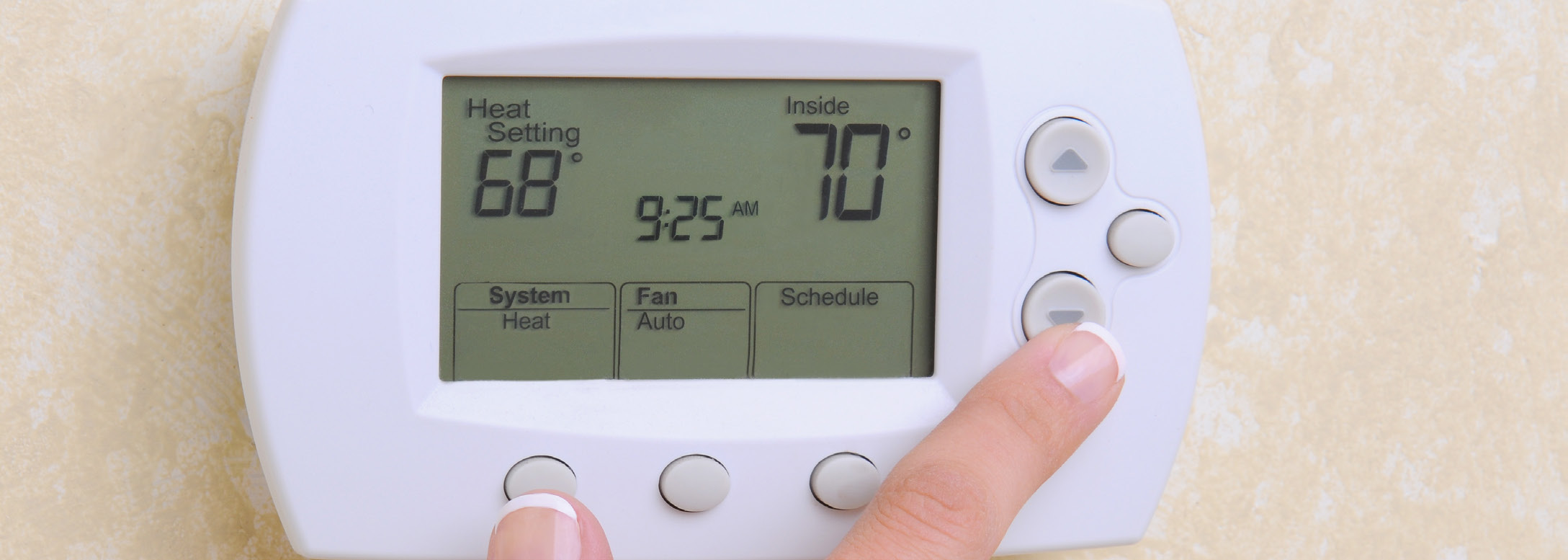
Support establishing a right to cooling standard for Minnesotans. Landlords in Minnesota are required to keep rental temperatures at a minimum of 68° F from October 1 through April 30 for all units where residents cannot control the temperature themselves. This protects residents from extreme temperatures in the winter, but there are no protections in the summer. A right to cooling standard would change this. It would ensure safe indoor temperatures by minimizing residents’ exposure to extreme heat. The City recommends using a maximum indoor temperature between 82°F and 86°F for this legislation.
Support efforts to increase Select Committee on Recycling and the Environment (SCORE) funding. Cities need greater state investment in SCORE grants to meet local and regional recycling and waste diversion goals, address today’s more complex solid waste challenges, and keep valuable materials out of the trash. Currently, 27% of the State Solid Waste Management Tax (SWMT) still goes to the state’s General Fund rather than directly supporting waste reduction and recycling. This user tax on trash should be fully reinvested in local solid waste and sustainability programs in order to meet the State metro recycling goal of 75%.
Support energy affordability efforts to ensure residents can maintain safe and healthy living conditions. This includes funding programs that lower residents’ energy bills as well as programs that help pay for energy efficiency upgrades. Half of Bloomington’s single-family homes are under insulated which makes heating and cooling homes more expensive. 82% of Bloomington’s housing stock was built in the 1950s, 1960s, and 1970s, while only 4% of the City’s housing stock was built in the 1990’s and later.
Oppose closure of the Hennepin Energy Recovery Center (HERC) without first meeting the County’s 85% recycling and diversion goal identified for an environmentally responsible closure of the facility. The City supports a phased and data-driven approach that ensures regional waste processing capacity, environmental outcomes, and equity impacts are fully addressed. Any transition away from HERC must include a clear, sustainable plan for managing the waste currently processed by the facility.
Oppose efforts to repeal the Packaging Waste and Cost Reduction Act. Passed in 2024, the Act (Minn. Stat. § 115A.144-115A.1463) establishes a producer responsibility framework for managing packaging materials. This legislation holds producers and brand owners accountable for the full lifecycle of their packaging and directs them to fund recycling and waste reduction efforts that have historically been paid for by local governments and residents.
Support exemption of temporary food licenses from Statewide hospitality fee. Per MS 157.16, subd. 3a, the Minnesota Department of Health collects a $50 hospitality fee that is in addition to the license fee. Public and community events serving food for a day or part of a day are charged the same $50 fee as a restaurant operating 365 days of the year. Legislation to exempt temporary food event from the hospitality fee has been introduced both in 2024 and 2025.
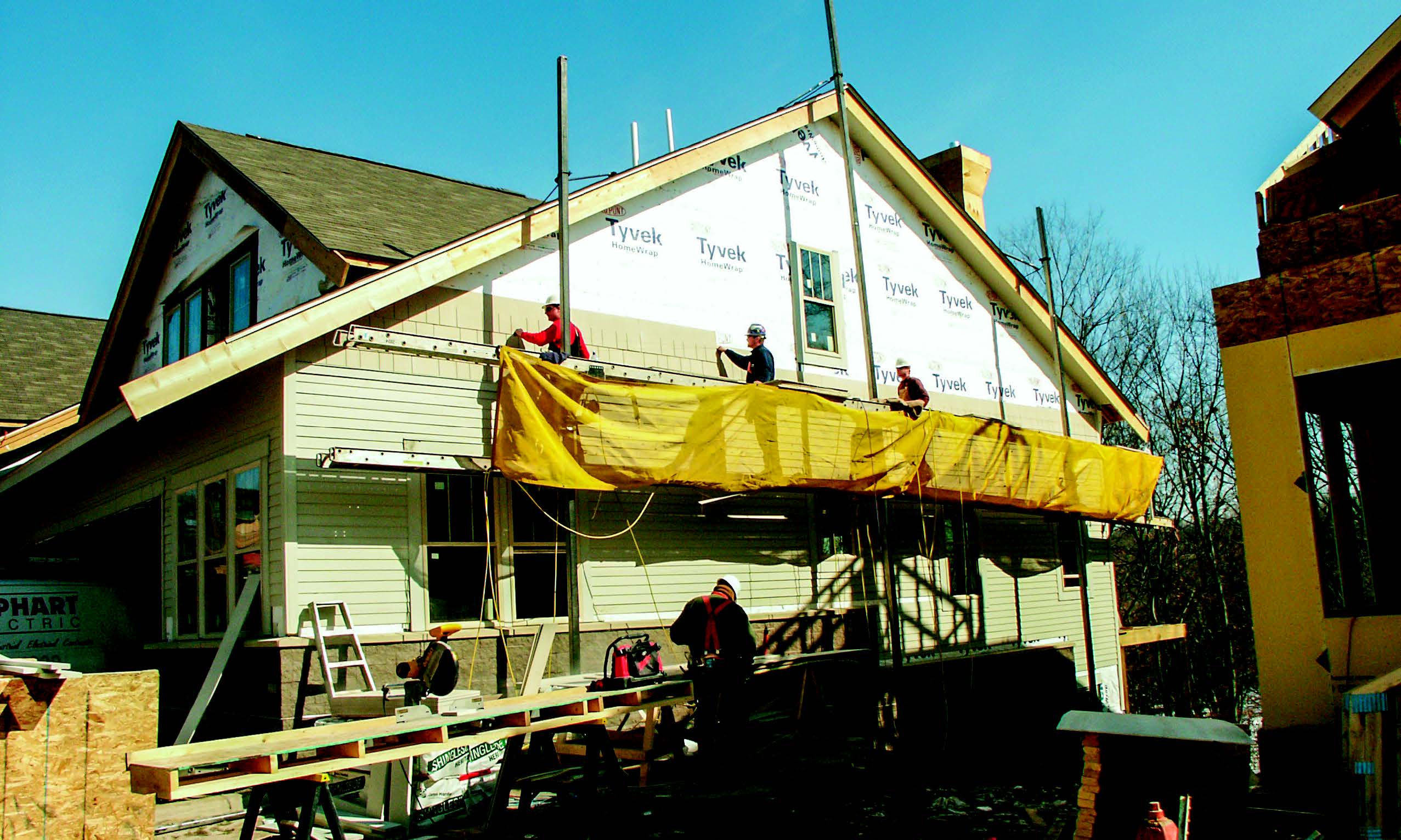
Support reinstating the ability for cities to license and inspect group homes. MS 144G.45, subd. 3 enacted on 5/16/24 prohibits cities from issuing rental licenses to state (MDH and DHS) licensed group homes. This means state licensed group homes, housing the most vulnerable tenant population, are no longer receiving annual safety and maintenance inspections or complaint investigations like the rest of the rented houses, condos, townhomes, and apartment buildings in the city. A group of northwest metro cities lead by Brooklyn Park has drafted a detailed position that includes this topic as well as allowing cities to control the number and concentration of congregate care facilities for more equitable regional distribution.
Support the continuation and expansion of Local Affordable Housing Aid (LAHA), including allowing a small percentage of LAHA to be used for administrative costs. LAHA is a valuable tool for cities to assist with funding local housing needs, including homeowners, housing production, and rental assistance. The need for LAHA funds far outpaces current resources. Administering these funds also requires resources to ensure compliance, which is currently not an allowed use.
Support well-crafted policies and programs that increase regional housing supply and affordability (e.g. missing middle, building code, zoning, opportunity housing, affordable homeownership, small landlord rehab loans). Bloomington recognizes the complexity of housing development and is a leader in removing barriers to housing production despite being a fully developed community. Yet, we know there are additional policies and programs that could help Bloomington and the State increase housing supply and affordability. Bloomington seeks to be a leader and a partner in advancing legislation that supports housing affordability through all available avenues.
Support HOA regulation reform that would help HOAs and their members resolve disputes outside of the courtroom. Needed reform also includes Minnesota FAIR plan that would establish a reinsurance program to backstop property & casualty insurers who have been unable to obtain reinsurance on the private market.
Support funding for housing construction and rehabilitation; housing navigation services; rental assistance; homelessness prevention, response, and shelter capacity. Funding for these purposes currently falls far short of the need to address the housing crisis.
Support the reporting of rent payments to credit bureaus to strengthen credit building and help aspiring homeowners improve credit scores. Reporting tenant rent payments to credit bureaus can improve tenants’ credit, increasing their opportunity for homeownership or other financial products.

Support the expansion of the definition of “mental health provider or practitioner” to allow providers to bill for service. As the mental health workforce shrinks, Certified Peer Support Specialist, Community Health Workers, School counselors, Licensed Alcohol & Drug Counselors, family and caregiver support specialists and community-based or traditional healers are increasingly doing more mental health work. Increasing the hours they can bill or allowing them to bill would expand access to mental health service.
Support consistent standards statewide for rapid access to mental health support. This would include piloting a benchmark of an initial consultation within 7 days of request for outpatient mental health services and a 30-day benchmark for follow up appointments. Support a youth access standard requiring each school district to provide at least one licensed mental health professional per 250 students, consistent with American School Counselor Association guidance.

Support universal law enforcement background checks to allow for the standardization of material each public safety organization must review when conducting employment background checks on perspective employees. Also, require all employers who operate within the state of Minnesota to disclose all requested employment documentation to public safety organizations conducting background investigations.
Support funding embedded social work program as this program has been invaluable at providing resources and stabilization services, such as housing and food access, to those who come into contact with police officers.
Support funding therapist programs that serve residents by providing free in-home therapy to those who are in crisis as a result of suffering from addiction, mental health issues, or other social problems.
Support statewide restorative court so that defendants’ opportunities for success and stability are not determined by the jurisdiction where the crime occurred. Currently, only Bloomington, Brooklyn Park, Minneapolis, Oakdale, and Saint Paul offer restorative court. Restorative court eligibility is based on criteria including the type of crime. Social workers help defendants address the underlying problems (such as lost paperwork) so the defendants can return to being law abiding citizens, thereby reducing costs of policing and prosecuting livability offenses.
Support funding for State bomb squads. Bloomington has one of only four in MN and funding these units is vital to their ability to continue to provide this critical public safety service. The public safety of Minnesota’s citizens will be put at risk if these units are not funded.
Support limiting local cost participation with modifications to Cost Participation Policy (CPP). By limiting local cost participation, we can reduce the financial strain on local governments while ensuring every community benefits from safe, reliable highways, bridges, and alternative transportation systems while also ensuring local roads, trails and sidewalks and other transportation components have funding.
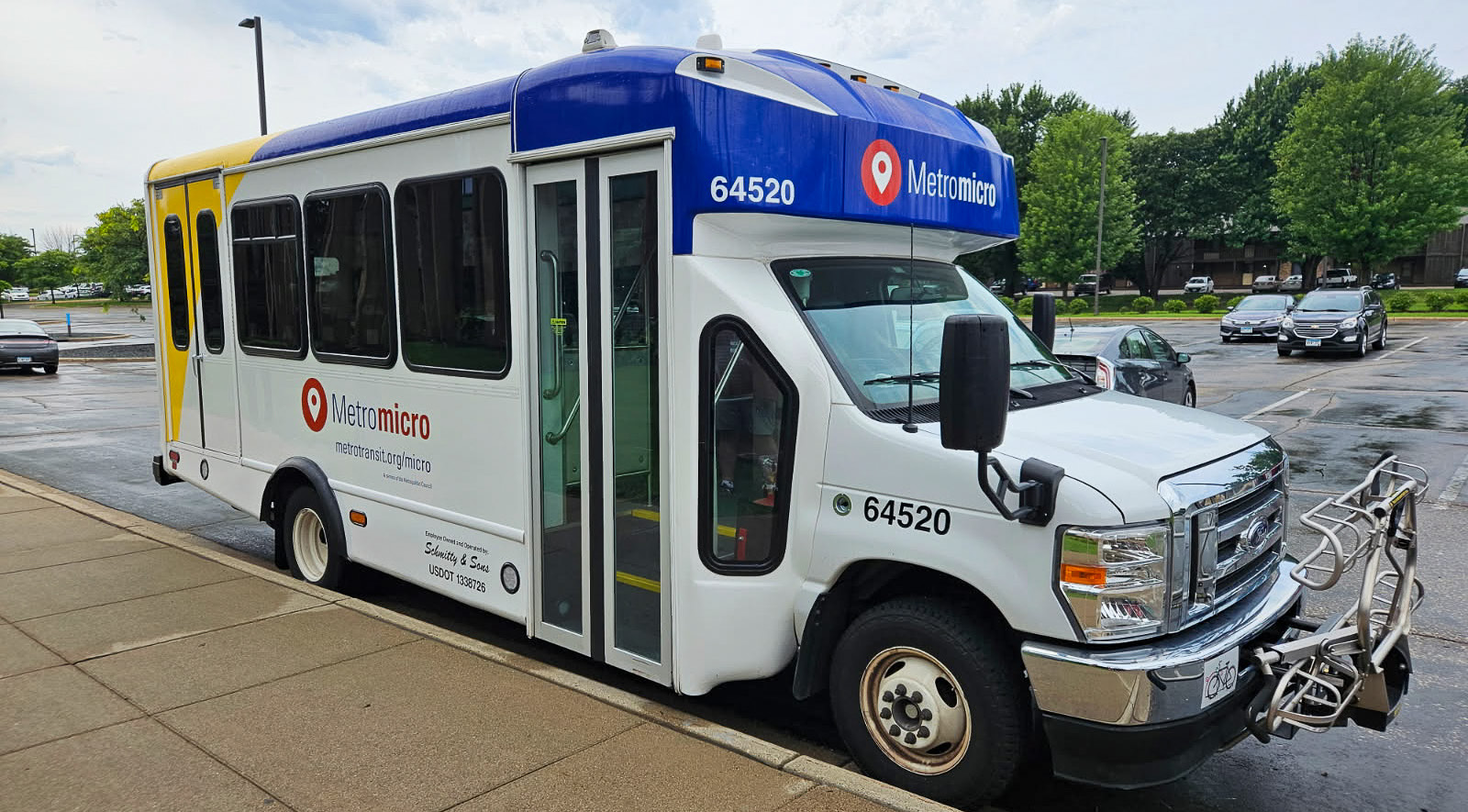
Support transit that meets local needs including higher frequency service, on demand service, and last-mile connections. When transit reflects the needs of the community--through frequent service, on demand options, and better last-mile connections people have more freedom and reliability in how they travel. These improvements make it easier for people to get to work, school and essential services while supporting local mobility, economic opportunity and reducing congestion/greenhouse gases.
Support the 494 Corridor Commission’s requests for $300,000 per year in on-going funding to support their efforts to promote alternatives to driving alone, including telework, vanpools, carpools, transit, and biking to work. The Commission has received annual state funds for over a decade, and these funds are critical to sustaining the services that promote actions for a more sustainable future.
The City of Bloomington supports the following legislative positions:
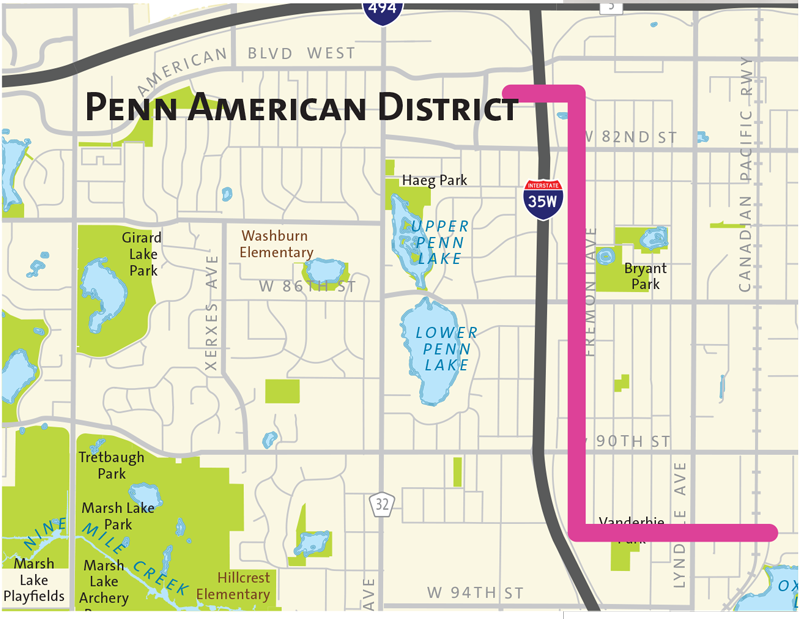
The City of Bloomington is seeking funding assistance to improve sanitary sewer capacity in Bloomington adjacent to Interstate 494 and 35W.
The project includes upsizing sanitary sewer capacity to accommodate new land use densification in Bloomington. Redevelopment, including new affordable housing units, has created the need for additional sanitary sewer capacity and infrastructure.
Background
The majority of the City’s sanitary sewer system was originally constructed in the 1950s, 1960s, and 1970s. It was designed to serve the projected land uses anticipated at that time. In the Penn American area, land uses typically consisted of low-density residential, large retail, and small manufacturing.
Recently, the City has been striving for redevelopment that better meets the needs of the community and region that includes housing and mixed-use developments resulting in densification, particularly around existing transportation infrastructure to help reduce greenhouse gas emissions.
The pending development in the Penn American District cannot be accommodated by the existing sanitary sewer utility and available City funds are limited. Additional funds are needed to support further community growth.
Project Description
The North Central Sanitary Sewer project consists of construction of 13,330 linear feet of 18-inch to 24-inch sanitary sewer pipe in north central Bloomington, also serving the Penn American District. The project limits extend from American Boulevard and Morgan Avenue to Syndicate Avenue and West 92nd Street and includes a crossing underneath Interstate I-35W just south of the I-35W/I-494 interchange.
This new infrastructure is necessary to accommodate sanitary sewer flows expected to be generated by higher-density redevelopment including housing in the Penn American District adjacent to the Orange Line, I-35W and I-494. Development and redevelopment in this district are consistent with the City’s Comprehensive Plan and City and regional goals.
Project cost and schedule
Project design is planned to take place in 2025 with construction for 2026 and 2027. The project’s total construction cost is estimated to be $27.7 million. The City is seeking $13 million in funding support to help fund the infrastructure improvements providing regional benefit.
More information
For more information, contact Utilities Superintendent Scott Anderson at smanderson@bloomingtonmn.gov or 952-563-4867.
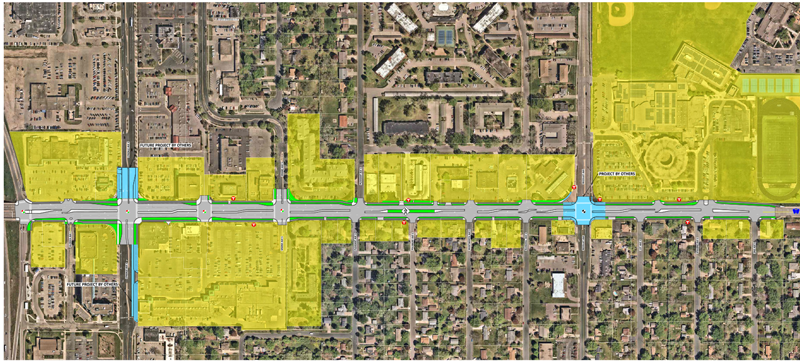
The Old Shakopee Road (CSAH 1) project from Aldrich Avenue to 2nd Avenue will replace pavement, curb, and stormwater structures, improve safety, and add ADA-compliant curb ramps, Accessible Pedestrian Signals, and new multimodal facilities. Intersection upgrades—including a three-quarter intersection—will reduce conflict points, add missing bicycle facilities, and create a safer corridor for all users. This investment provides essential, ADA-compliant infrastructure to meet the needs of residents, businesses, and other corridor users.
Regional Benefit
The I-35W and 98th Street area is designated by the Metropolitan Council as a regional destination job center, anchored by a major Transit Station serving the METRO Orange Line and other key transit routes. County Road 1 links I-35W and Highway 77, supporting efficient travel between two north–south freeways and this job hub.
The project’s trail improvements will fill a major gap in east–west bicycle and pedestrian infrastructure, advancing the Metropolitan Council’s Regional Bicycle Transportation Network priorities:
- Extending the Tier 1 Old Shakopee Road corridor, which connects regional destinations and local bike networks
- Linking to the Tier 2 Lyndale Avenue trail system
- Strengthening connections to Nicollet Avenue, a key north–south corridor between Bloomington and downtown Minneapolis that supports a busy transit route (Route 18) slated for future bus rapid transit
By creating safe, direct connections between transit, employment centers, and local neighborhoods, this project enhances regional mobility for commuters, residents, and visitors—whether they travel by bike, bus, or on foot.
Project Description
The City of Bloomington, in conjunction with Hennepin County, is planning improvements along Old Shakopee Road (CSAH 1) from Aldrich Avenue to 2nd Avenue to enhance safety, accessibility, and mobility for all users. Historically, the corridor prioritized fast car travel, limiting safe options for pedestrians, cyclists, and transit users. This project will maintain essential infrastructure while transforming the corridor into a more inclusive and sustainable transportation route.
Key features include:
- Replacing pavement, curbs, and stormwater systems.
- Adding bike lanes on both sides of the road, addressing a key gap in the regional bike network.
- Reconstructing sidewalks with a 5-foot buffer for tree planting and improved pedestrian comfort.
- Upgrading crossings with ADA-compliant ramps and Accessible Pedestrian Signals (APS).
- Safety enhancements at key intersections, especially near Kennedy High School.
- Modifying traffic signals and right-turn islands to calm traffic and support bike/pedestrian access.
- Extending a new trail along Lyndale Avenue to connect with major regional trails and the Minnesota River Valley.
- Utility adjustments to support new trails and sidewalks.
The area includes vulnerable communities and is impacted by traffic-related pollution. These improvements aim to reduce greenhouse gas emissions and support safer, greener, and more equitable transportation for all.
Project Cost and Schedule
Project design and easement acquisition will take place in 2026-2027 with construction planned for 2028-2029 and phased with two other area projects to ensure mobility through the area. The estimated project cost is $22 million, with Hennepin County committed to 3/4 of the overall cost. The City is seeking $4.4 million to help fund the infrastructure improvements.
More information
For more information, contact City Engineer Julie Long at jlong@bloomingtonmn.gov or 952-563-4865.
Project description
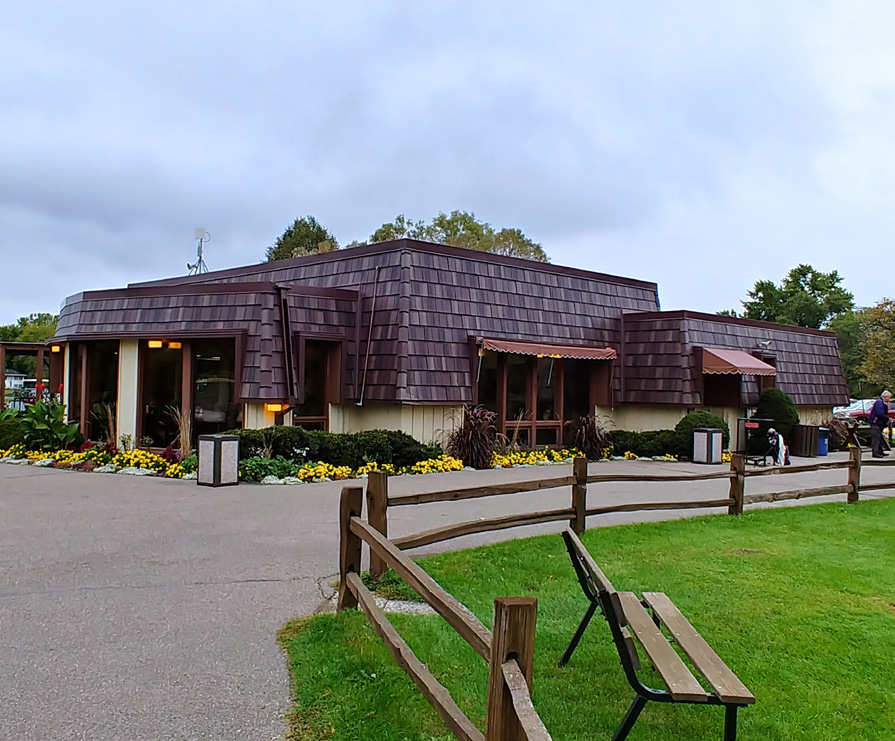
The City of Bloomington is seeking authorization to sell intoxicating liquor at the Dwan Golf Course. Under state law, cities are not specifically authorized to issue an on-sale intoxicating liquor license to golf courses. State law authorizes cities to issue golf courses an intoxicating liquor license if they meet the statutory definitions of either a restaurant or club. Cities are authorized to issue a 3.2% malt liquor license to golf courses.
If a golf course does not have a restaurant or is not a club, as defined in state law, they are not permitted to sell intoxicating liquor. The state legislature has approved similar authorizations for other municipal golf courses to sell intoxicating liquor, such as the Roseville Cedarholm Golf Course.
Questions
For more information, contact Parks and Recreation Director Ann Kattreh at akattreh@BloomingtonMN.gov or 952-563-8876.
Project Description
The City of Bloomington is seeking funding assistance to improve sanitary sewer capacity in Bloomington adjacent to Interstate 494. The project includes replacing existing infrastructure to address capacity deficiencies and extend asset life. The existing sanitary sewer infrastructure was originally installed in 1972 and as redevelopment and land use changes have occurred the capacity has become i adequate to reliably continue to serve the surrounding area.
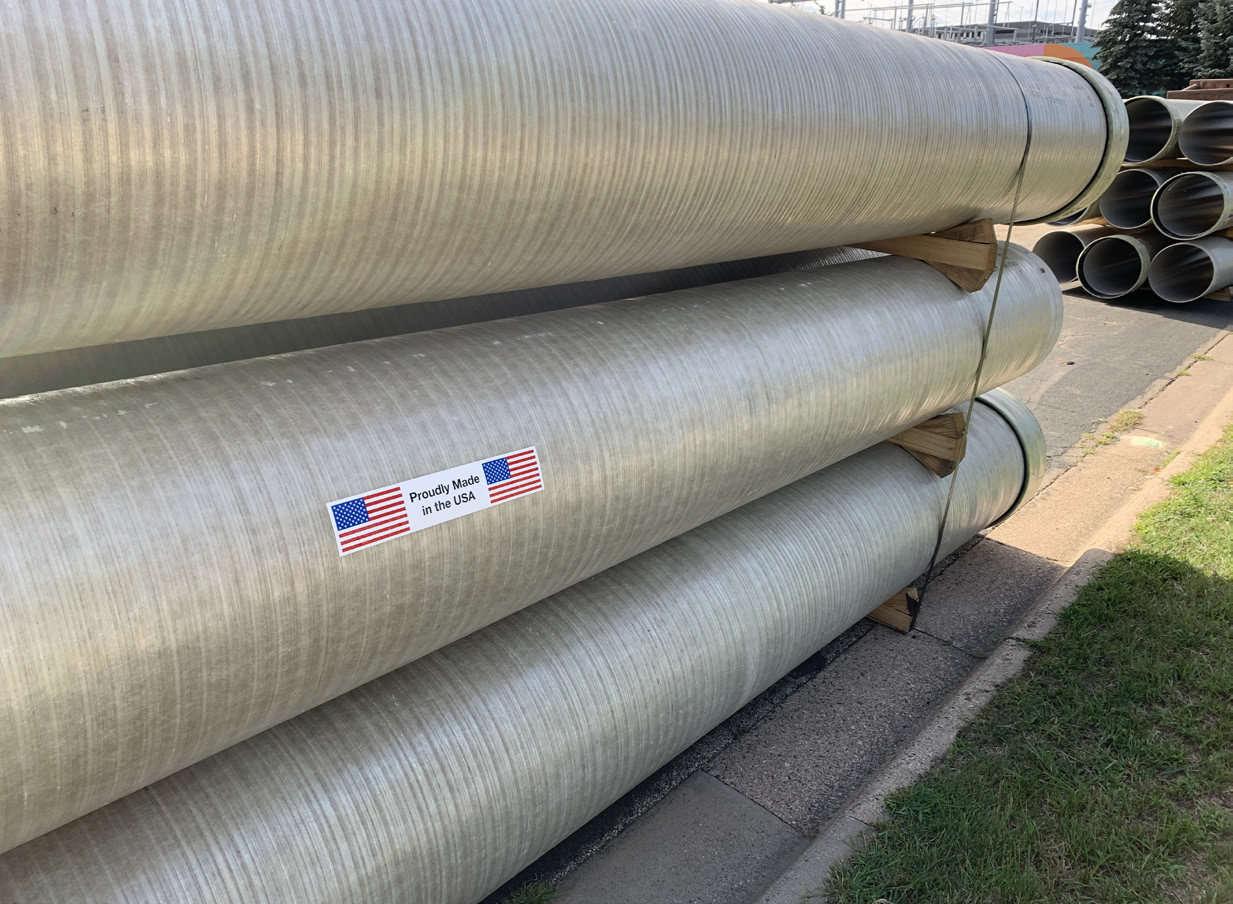
The 84th Street Sanitary Sewer project consists of replacing 1,305 feet of 16-inch prestressed concrete cylinder pipe with 18-inch to 20-inch fiberglass reinforced pipe from East Bush Lake Road to Normandale Lake Boulevard. The new infrastructure is necessary to continue serving the sanitary sewer conveyance needs the Normandale Lakes District ensuring the health of the community by safely and reliably conveying wastewater.
Project cost
Project design is planned to take place in late 2026 with construction in 2027. The total construction cost is estimated to be $1,810,675. The City is seeking $1,448,540 in federal assistance to help fund the infrastructure improvements that will support construction of the upsized sewer main needed to provide adequate capacity for future wastewater flows and planned redevelopment.
More information
For more information, contact Utilities Superintendent Scott Anderson at 952-563-4867 or smanderson@bloomingtonmn.gov
Project description
The City of Bloomington’s drinking water treatment plant is a 14 million gallon per day, lime softening, treatment facility originally co structed in 1973 and expanded in 2000. Lime softening is a major component of the treatment process accounting for removing hardness from the source groundwater and enhancing water quality. Additionally, the softening process is the key component to Bloomington’s corrosion control program preventing the leaching of heavy metals such as lead and copper into the drinking water. The City’s current lime slaking system is original to the plant and expansion. Renewal of this infrastructure is critical to maintaining water quality for the residents, visitors, and businesses of Bloomington. The updated lime slaking system is key to maintaining compliance with the new Lead and Copper Rule Improvements under the Safe Drinking Water Act as well as making sure the water quality in the distribution system continues to meet important water quality parameters.
Replacement of the City’s lime slaking equipment will support the health and welfare of the community by continuing to provide high quality, softened drinking water and maintaining corrosion control helping to protect all households and consumers from the dangers of lead and copper.
Project cost
The total project is estimated to cost $2,301,000 and our request for $1,500,000 will fund the replacement and upgrade of the plant’s lime slakers.
More information
For more information, contact Utilities Superintendent Scott Anderson at 952-563-4867 or smanderson@bloomingtonmn.gov
The 98th Street from Logan Ave to Aldrich Ave will include replacement of pavement, curb, stormwater structures, safety improvements, new multi modal facilities, construction of ADA compliant curb ramps and Accessible Pedestrian Signals. It will enhance safety by improving intersections along the corridor including the elimination of both a free right turn lane and the uncontrolled east bound right turn along with other channelization improvements and provides missing bicycle facilities that encourage safe travel through the corridor. The project will reduce the crash potential and provide a much safer environment for all users. This project serves a public purpose by providing critical public nonmotorized ADA compliant infrastructure to serve the demand for residential, commercial and other users.
Project description
The City of Bloomington is planning improvements along 98th Street from Logan Ave to Aldrich Ave to enhance safety, accessibility, and mobility for all users. Historically, the corridor prioritized fast car travel, limiting safe options for pedestrians, cyclists, and transit -users. This project will maintain essential infrastructure while transforming the corridor into a more inclusive and sustainable transportation route.
Key features include:
- Replacing pavement, curbs, and stormwater systems.
- Adding bike path from the Metro Transit 98th Street Transit Station to Bloomington Civic Plaza, addressing a key gap in the regional bike network.
- Reconstructing sidewalks with a 5-foot buffer for tree planting and improved pedestrian comfort where possible.
- Upgrading crossings with ADA-compliant ramps and Accessible Pedestrian Signals (APS).
- Modifying traffic signals and right-turn islands to calm traffic and support bike/pedestrian access.
- Improve the bike/pedestrian crossing of the railroad tracks.
- Utility adjustments to support new trails and sidewalks.
The area includes vulnerable communities and is impacted by traffic-related pollution. These improvements aim to reduce gree house gas emissions and support safer, greener, and more equitable transportation for all. Approximately 50% of the traffic on the roadway does not have a origin or destination within Bloomington.
Project cost and schedule
Project design and easement acquisition will take place in 2026-2027 with construction planned for 2027-2028 and phased with two other area projects including the I-494 Phase 2 project and temporary construction closure of another east west route at 82nd Street to ensure mobility through the area. The estimated project cost is $10.3 million. The City is seeking $1.5 million in congressionally directed spending proceeds to help fund the infrastructure improvements.
More information
For more information, contact City Engineer Julie Long at jlong@bloomingtonmn.gov or 952-563-4865.
*2026 Legislative Platform Brochure (Adopted 12-22-2025)
*same detail as above, available for print