
ID
Content type
Briefing Image
Title

A path to a sustainable, healthy forest
Authored on
Widgets

The Nine Mile Creek corridor is one of Bloomington's most treasured natural spaces. Its forests, wetlands and trails provide a home for wildlife and give people a place to enjoy nature year-round. A project to restore the corridor will make sure this landscape stays healthy for generations to come. Thanks to funding from Bloomington's voter-approved local sales tax, the City is restoring parts of the Nine Mile Creek corridor and improving Moir and Harrison parks. The restoration work will improve forest health, support native plants and animals and help the ecosystem adapt to future challenges.

Caring for the city’s natural spaces

Bloomington is home to more than 9,000 acres of parks, open space and natural areas. These spaces don't stay healthy on their own. They require regular care, long-term planning and thoughtful management.

For decades, the City has worked to protect these natural resources. Today, that work continues with the help of experienced staff, environmental experts and community partners.

The project is led by Bloomington Parks and Recreation with support from SEH, an environmental consulting firm with extensive experience in ecological restoration and natural resource management. The City is also working with the Nine Mile Creek Watershed District and local residents who have dedicated years caring for Bloomington's natural areas.

Restoring a rare ecosystem

The goal of the project is to restore parts of the corridor to an oak savanna.

An oak savanna is a landscape with large, widely spaced oak trees, native grasses and wildflowers. Before European settlement, oak savannas were common across Minnesota. Today, they are one of the state's rarest ecosystems.

Unlike a dense forest, an oak savanna depends on sunlight reaching the ground. That sunlight allows hundreds of native plant species to grow, creating habitat for birds, pollinators and other wildlife. It also allows for higher quality shade for park goers and walkers with more breeze.

“We don’t want it to be an oaks-only type of habitat, but an oak-majority type of habitat,” Deric Deuschle, SEH aquatic ecologist, said. “The things we’re doing are deliberate. We’ve done this work in other places. We aren’t doing anything experimental or new.”

Restoring this habitat helps create a healthier ecosystem that will benefit both people and wildlife for years to come.

Why are some trees being removed?

One of the biggest changes residents will notice is the removal of some trees. At first, the area may look bare. As Assistant Parks and Recreation Director Dave Hanson puts it, "This is what restoration looks like. It looks worse before it looks better, but it will look better and it will be healthier.”

Tree removal varies significantly across the project area. Some restoration areas will see more intensive management, while large portions of the corridor will experience little or no tree removal.

Many of the trees being removed are invasive or fast-growing species that have crowded the forest over time. Over the years, they’ve created a thick canopy that blocks sunlight from reaching the ground and does not allow much breeze to travel through.

Without enough sunlight, native grasses, wildflowers and young oak trees can't grow. As a result, the forest has become less diverse and less resilient over time.

Removing selected invasive or fast-growing trees and understory gives native plants the light and space they need to thrive again. The native plants that will be able to grow after restoration will provide habitat and food for pollinators and other native species.

Trees will also be planted

There will also be 150-200 trees planted around the Moir and Harrison Park area along with many plants to beautify the landscape.

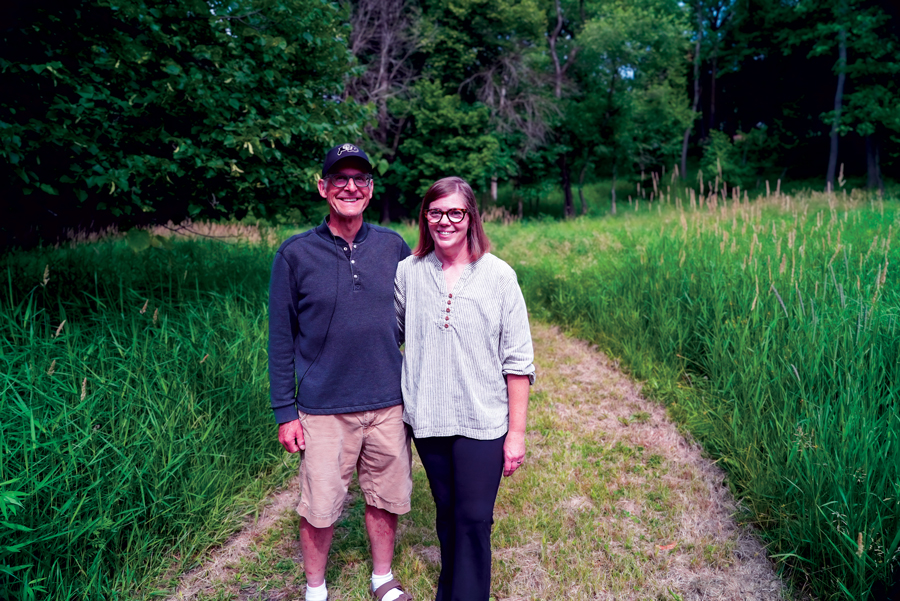
Heidi and Dan Niziolek

Built on science and community

This project brings together many people and organizations with a shared goal of protecting Bloomington's natural spaces.

The City selected SEH through a competitive request for proposals, choosing the team based on its qualifications and experience with projects like this. That process helped ensure Bloomington found the right expertise while making responsible use of public funds.

The restoration effort is also supported by the Nine Mile Creek Watershed District and local volunteers, including Heidi and Dan Niziolek, pictured above, whose nonprofit Bloomington Neighbors Nurturing Nature has helped restore natural areas throughout Bloomington.

"Our work is focused on making our green spaces natural again and healthy for all of us," Dan said.

“If you’ve ever had a surgery or a renovation on your house, you know on that first day you question all your life choices, but it does get better. It gets better quickly,” Heidi said. “A couple years down the line, when you look back, you realize it was a good thing to do.”

Looking ahead

Forest restoration takes time. The landscape may look different today than it did a year ago, but every tree removed and every native plant added is part of a long-term plan for a healthier, more sustainable forest. The work happening in the Nine Mile Creek corridor is an investment in cleaner water, healthier wildlife habitat and natural spaces that future generations can enjoy. With careful planning, scientific expertise and community support, Bloomington is helping ensure this treasured landscape continues to thrive for decades to come.